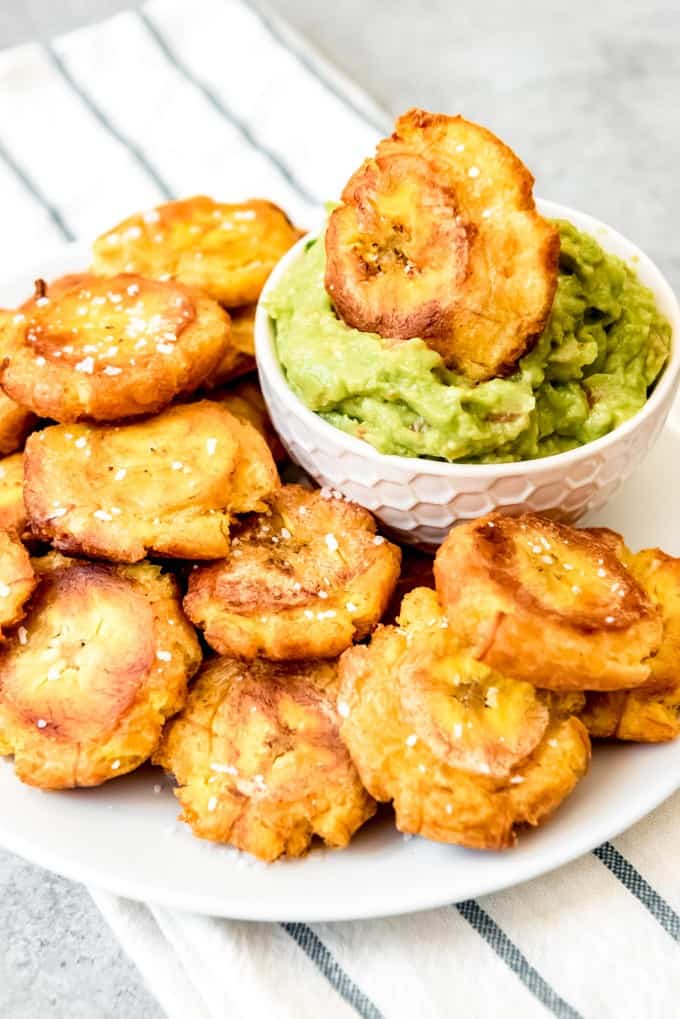
The Enduring Allure of Patacones and Tostones: A Culinary Journey Through Fried Green Plantains
Few dishes evoke the vibrant spirit of Latin American and Caribbean cuisine quite like patacones or tostones fried green plantains. These deceptively simple, twice-fried plantain slices are a ubiquitous presence on dinner tables, restaurant menus, and street food stalls from Colombia to Cuba, Costa Rica to the Dominican Republic. More than just a side dish, they are a crispy, savory staple, a comforting snack, and a versatile canvas for countless toppings and sauces. If you’ve ever wondered about the magic behind these golden disks, prepare to embark on a culinary exploration that celebrates the humble green plantain's transformation into an unforgettable delight.
What makes patacones or tostones fried green plantains so special? It's the unique texture – a perfect balance of crispy exterior and tender, starchy interior – achieved through a distinctive double-frying method. This technique elevates the unripe plantain, turning it into a savory counterpart to the sweeter, ripe plantain dishes. Whether you call them patacones (common in Colombia, Ecuador, and Panama) or tostones (prevalent in the Caribbean, Central America, and parts of South America), the essence remains the same: a testament to ingenious cooking that maximizes flavor and texture from readily available ingredients.
What Exactly Are Patacones/Tostones? Understanding the Basics
At their core, patacones or tostones fried green plantains are thin or medium-thick slices of unripe plantains that undergo a two-step frying process. Unlike their ripe cousins, green plantains are starchy, firm, and savory, with a texture similar to a potato but a subtly different flavor profile. The journey from raw plantain to crispy delight involves:
- Peeling and Slicing: Firm green plantains are peeled and sliced into uniform pieces, typically ranging from 1/2 to 3/4 inch thick.
- First Fry: The slices are lightly fried at a moderate temperature until they soften and turn a pale yellow, without browning significantly. This initial fry cooks the plantain through and makes it pliable.
- Smashing: This is the signature step! Each softened plantain slice is removed from the oil and flattened into a disk. This can be done with a specialized tool called a tostonera, the bottom of a glass, or even a plate.
- Second Fry: The flattened plantain disks are then returned to hotter oil and fried again until they are golden brown, beautifully crisp, and thoroughly cooked. They are typically salted immediately after removal from the oil.
This distinct process ensures that each bite delivers that satisfying crunch followed by a soft, savory interior, making them an irresistible addition to any meal.
From Unripe to Unforgettable: Selecting and Preparing Green Plantains for Perfection
The secret to exceptional patacones or tostones fried green plantains begins long before they hit the hot oil: it starts with selecting the right plantain. Unlike bananas, plantains are almost always cooked, and their flavor and texture change dramatically with ripeness. For patacones, green is paramount.
How to Identify the Perfect Green Plantain
When shopping for plantains destined to become tostones, look for these characteristics:
- Color: The skin should be a uniform, vibrant green. There should be absolutely no yellow, black, or brown spots. Any hint of yellow indicates ripeness, which will result in a sweeter, softer tostone, not the traditional savory, crispy kind.
- Firmness: The plantain should be very firm to the touch, almost hard. A soft plantain is a ripe one.
- Skin Condition: While minor blemishes are acceptable, avoid plantains with large bruises or significant cuts, as these can affect the flesh quality.
Using perfectly green plantains is non-negotiable for achieving the classic savory flavor and firm, starchy texture that holds up to the double-frying process. If your plantains are too ripe, they will absorb more oil, become less crispy, and have a sweeter taste that isn't ideal for patacones.
Essential Preparation Steps Before Frying
Once you've secured your pristine green plantains, proper preparation is key:
- Peeling: Green plantains are notoriously difficult to peel compared to ripe ones. The easiest method is to use a sharp knife to score the skin lengthwise along one or two sides, without cutting too deeply into the flesh. Then, use the tip of the knife or your fingers to pry the skin off in strips. You might need to make an incision at both ends to get a good grip.
- Slicing: With a sharp knife, slice the peeled plantain crosswise into pieces approximately 1/2 to 3/4 inch thick. Aim for uniformity to ensure even cooking. Some recipes suggest slicing on a slight diagonal for a larger surface area, but straight cuts are more common.
- Optional Soaking: Some cooks prefer to soak the sliced green plantains in a bowl of salted water for about 15-30 minutes before the first fry. This step is believed to help prevent sticking, draw out excess starch, and season the plantain from within, potentially leading to crispier results. While not strictly necessary, it's a technique worth experimenting with.
For an even deeper dive into the nuances of plantain selection and preparation, including advanced peeling techniques and storage tips, you might find valuable insights in patacones or tostones fried green plantains - Article 2.
Mastering the Fry: The Twice-Fried Technique for Perfect Patacones
The true artistry of patacones or tostones fried green plantains lies in the double-frying method. This technique is what gives them their characteristic texture – tender inside and incredibly crisp outside. Getting it right ensures a delicious result every time.
The First Fry: Softening the Foundation
The initial fry is crucial for cooking the raw plantain and making it pliable enough to smash. Think of it as par-cooking.
- Oil Temperature: Heat a neutral oil (like vegetable, canola, or corn oil) in a heavy-bottomed pan or deep fryer to a medium-high temperature, around 325-350°F (160-175°C). There should be enough oil to submerge the plantain slices.
- Frying Time: Carefully add the sliced plantains to the hot oil, being careful not to overcrowd the pan. Fry them for about 3-5 minutes per side, or until they are tender, cooked through, and have a pale yellow color. They should not be golden brown at this stage. You should be able to easily pierce them with a fork.
- Draining: Remove the plantains from the oil and place them on a plate lined with paper towels to drain any excess oil. This is important before smashing.
The Smash: Crafting the Signature Shape
This is arguably the most fun and recognizable step in making patacones or tostones fried green plantains.
- Tools for Smashing: While a dedicated tostonera (plantain press) is ideal for consistent results, you can easily improvise. The bottom of a sturdy drinking glass, a clean small plate, or even a potato masher can work wonders.
- Technique: While the plantains are still warm (but not too hot to handle), take one par-fried slice and place it between two pieces of plastic wrap or parchment paper (this prevents sticking). Gently but firmly press down until the plantain flattens into a disk about 1/4 inch thick. Avoid pressing too thin, or they might become brittle. Aim for a slightly irregular, rustic shape.
- Optional Seasoning: Some cooks like to quickly dip the smashed plantains in a bowl of garlicky salt water or a marinade at this stage before the second fry to infuse more flavor.
The Second Fry: Achieving Golden Crisp Perfection
The final fry is where the magic happens, transforming the soft disks into crispy, golden perfection.
- Oil Temperature: Increase the oil temperature to around 375°F (190°C). This higher heat ensures a crispy exterior without absorbing too much oil.
- Frying Time: Carefully return the smashed plantain disks to the hot oil. Fry them for another 1-3 minutes per side, or until they are beautifully golden brown and irresistibly crispy.
- Draining and Salting: Once golden, remove the patacones or tostones fried green plantains from the oil and immediately transfer them to a fresh plate lined with paper towels. While still hot, sprinkle them generously with salt to taste. The heat will help the salt adhere and melt into the crispy surface, enhancing their savory flavor.
To explore advanced frying techniques, oil choices, and common pitfalls to avoid for flawlessly crispy results every time, be sure to check out patacones or tostones fried green plantains - Article 3.
Serving Suggestions and Flavor Variations for Your Patacones
One of the many charms of patacones or tostones fried green plantains is their incredible versatility. They can be enjoyed simply seasoned with salt or dressed up with an array of delicious accompaniments, transforming them from a humble side into a show-stopping appetizer or a satisfying meal component.
Classic Pairings to Elevate Your Experience
These traditional pairings perfectly complement the savory crunch of patacones:
- Garlic Mojo (Mojo de Ajo): A simple yet potent sauce made from minced garlic, olive oil, lime juice, and cilantro. It's a classic for a reason!
- Hogao or Salsa Criolla: A Colombian onion and tomato sofrito that adds a burst of fresh, savory flavor.
- Guacamole or Avocado Slices: The creamy richness of avocado is a fantastic contrast to the crispy plantain.
- Cheese: Crumbled queso fresco or shredded mozzarella, often melted slightly on top, is a popular choice.
- Shredded Meats: Beef (carne desmechada), chicken, or pork are commonly served atop larger patacones, turning them into mini-meals.
- Soups and Stews: Patacones are an excellent accompaniment to hearty soups like sancocho or ajiaco, providing a textural contrast.
- Seafood: Particularly in coastal regions, patacones are often served with fried fish, ceviche, or shrimp in various sauces.
Creative Twists and Modern Interpretations
Don't be afraid to experiment with your patacones or tostones fried green plantains:
- Spiced Salt: Mix your finishing salt with a pinch of paprika, cumin, cayenne pepper, or garlic powder for an extra flavor kick.
- Dipping Sauces: Explore beyond traditional mojo. Try a spicy mayo, a cilantro-lime crema, a pineapple salsa, or even a sweet and sour sauce.
- Nachos Style: Arrange patacones on a platter, top with black beans, cheese, pico de gallo, sour cream, and jalapeños for a Latin-inspired nacho dish.
- Mini Sandwiches or Sliders: Use two larger, smashed patacones as "buns" for small burgers, pulled pork, or grilled chicken.
Conclusion: The Timeless Appeal of Fried Green Plantains
From their humble beginnings as a staple crop to their esteemed position as a beloved culinary icon, patacones or tostones fried green plantains offer a simple yet profound satisfaction. They are a testament to how traditional cooking techniques can transform basic ingredients into something truly extraordinary. Whether you're savoring them as a crispy side dish, a hearty appetizer, or a creative meal component, the irresistible crunch and savory goodness of these twice-fried plantains are sure to leave a lasting impression. So, gather your green plantains, embrace the double-fry, and bring a taste of vibrant Latin American and Caribbean culture into your kitchen.
