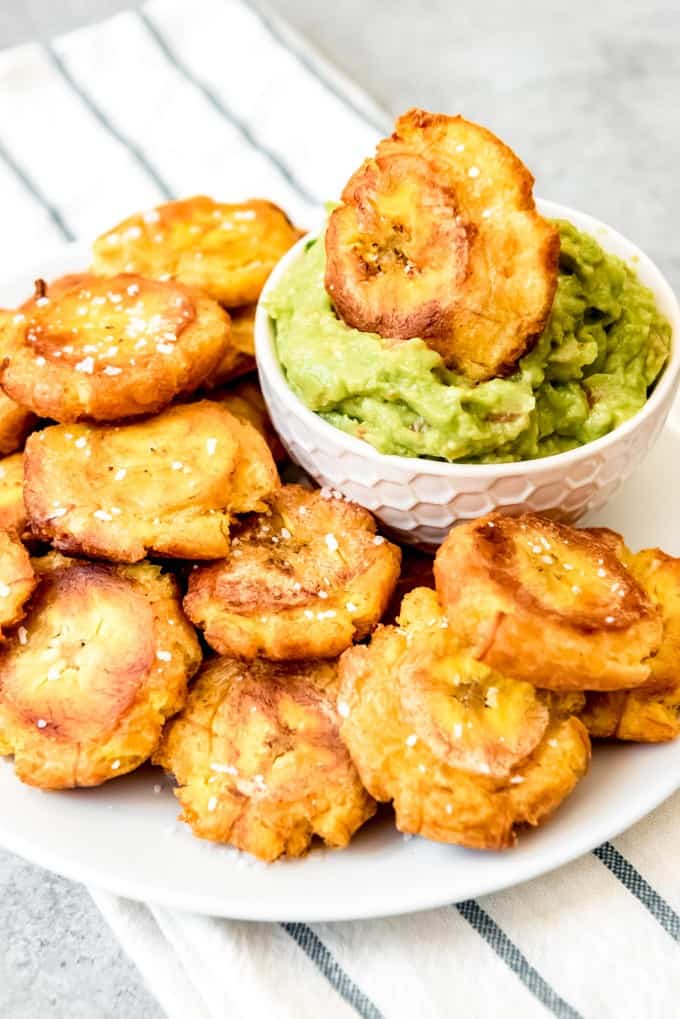
The Ultimate Guide to Perfect Patacones or Tostones Fried Green Plantains
Few dishes encapsulate the vibrant flavors and rich culinary heritage of Latin America and the Caribbean quite like patacones or tostones fried green plantains. Known by different names depending on the region – "patacones" in Colombia, Ecuador, and Panama, and "tostones" in the Dominican Republic, Puerto Rico, Cuba, and Venezuela – these crispy, savory plantain disks are a beloved staple. Far from being just a simple side dish, they are an experience: a golden, crunchy exterior giving way to a tender, starchy interior, often served with an array of flavorful dips or as a base for more elaborate creations. Whether you're craving a taste of the tropics or looking to expand your culinary repertoire, mastering the art of making perfect patacones or tostones is a rewarding endeavor. This comprehensive guide will walk you through every step, ensuring your fried green plantains are nothing short of spectacular.
Mastering the Art of Double-Frying for Crispy Perfection
The secret to truly irresistible patacones or tostones fried green plantains lies in the unique double-frying technique. This method ensures they are cooked through yet retain their signature crispness. It all begins with selecting the right plantains and proper preparation.
- Choosing Your Plantains: Always opt for very green plantains. They should be firm, with no yellow or black spots, indicating a high starch content essential for their texture. Ripe plantains (amarillos) will caramelize and become sweet, which is delicious for maduros but not for tostones.
- Peeling with Ease: Green plantains can be notoriously difficult to peel. A simple trick is to cut off both ends, then make a shallow lengthwise slit down one side of the plantain skin. Gently pry open the skin with your thumb or the tip of a knife, removing it in strips. Some people find it easier to briefly parboil them for a few minutes before peeling, but it's not strictly necessary.
- The First Fry: Softening and Cooking: Once peeled, slice your plantains into pieces about 1-inch thick. Heat a neutral oil (like vegetable, canola, or corn oil) in a heavy-bottomed pan or deep fryer to about 325-350°F (160-175°C). Fry the plantain slices for 3-5 minutes, or until they are tender and slightly softened but not browned. The goal here is to cook them through and make them pliable enough to smash. Remove them from the oil and drain on a paper towel-lined plate.
- The Smash: Shaping for Success: This is where the magic happens! While the plantains are still warm, use a "tostonera" (a specialized plantain press), the bottom of a heavy glass, a small plate, or even a mortar and pestle to flatten each cooked plantain piece into a disk about ¼-inch thick. Be gentle but firm. The edges might crack slightly, which is perfectly normal and adds to their rustic charm.
- The Second Fry: Achieving Maximum Crispness: Increase your oil temperature to 375°F (190°C). Carefully return the smashed plantain disks to the hot oil. Fry for another 2-3 minutes per side, or until they are beautifully golden brown and wonderfully crispy. Do not overcrowd the pan; fry in batches if necessary to maintain oil temperature.
- Seasoning: As soon as you remove the golden-brown patacones or tostones fried green plantains from the oil, sprinkle them generously with salt. This ensures the salt adheres perfectly and enhances their flavor.
For more detailed insights into the foundational preparation and initial frying steps, you might want to review patacones or tostones fried green plantains - Article 1.
Serving Suggestions and Flavor Pairings for Your Patacones
One of the most appealing aspects of patacones or tostones fried green plantains is their incredible versatility. They can be a simple snack, a robust side dish, or even the star of a meal. Here are some popular and delicious ways to enjoy them:
- Classic Dips:
- Mojo de Ajo: A quintessential Cuban garlic sauce made with garlic, olive oil, citrus juice (lime and sour orange), and herbs.
- Hogao: A Colombian creole sauce made with sautéed tomatoes, onions, garlic, and cilantro.
- Guacamole: The creamy avocado dip provides a delightful contrast to the crispy plantains.
- Ají: A spicy Colombian cilantro-based sauce that adds a kick.
- Mayonnaise-Ketchup Blend (Salsa Rosada/Pink Sauce): A simple but addictive sauce popular in many regions.
- As a Side Dish: Patacones are the perfect accompaniment to a wide variety of main courses. Serve them alongside:
- Grilled or roasted meats like Carne Asada, Pernil, or Lechon.
- Fried fish or shrimp.
- Hearty stews and soups, soaking up their rich flavors.
- Beans and rice for a complete, satisfying meal.
- Topped Patacones (Patacones Rellenos): Transform your fried green plantains into mini-meals by piling on delicious toppings. Popular choices include:
- Shredded beef or chicken.
- Melted cheese (often mild white cheese like queso fresco or mozzarella).
- Pico de gallo or a fresh salsa.
- Ceviche, creating a delightful crunch and fresh tang.
- Breakfast or Brunch: In some regions, patacones are enjoyed as part of a hearty breakfast, often served with fried eggs, cheese, and sometimes a slice of ham or avocado.
Don't be afraid to experiment with your favorite seasonings beyond just salt. A dash of garlic powder, onion powder, or even a sprinkle of smoked paprika can add an intriguing layer of flavor to your patacones or tostones fried green plantains.
Troubleshooting Common Patacones Pitfalls
While making patacones or tostones fried green plantains is relatively straightforward, a few common issues can arise. Knowing how to troubleshoot these will ensure consistently perfect results:
- Soggy or Oily Patacones:
- Cause: Oil temperature too low during the second fry, or overcrowding the pan. The plantains absorb oil instead of crisping up.
- Solution: Ensure your oil is at the correct temperature (375°F/190°C) for the second fry. Fry in small batches to prevent the oil temperature from dropping. Also, ensure you drain them well on paper towels immediately after frying.
- Too Hard or Dry Patacones:
- Cause: Over-frying during the first stage, or plantains that were too small or fibrous.
- Solution: The first fry should only soften the plantains, not brown them. Adjust frying time accordingly (3-5 minutes for 1-inch slices). Ensure you're using medium to large green plantains.
- Falling Apart When Smashing:
- Cause: Plantains were not cooked enough during the first fry, or they cooled down too much before smashing.
- Solution: Make sure the plantains are tender and pliable after the first fry. Smash them while they are still warm to hot. If they've cooled too much, you can briefly reheat them in the oil for 30 seconds to soften them slightly before smashing.
- Unevenly Cooked or Browned:
- Cause: Inconsistent slicing, uneven oil temperature in the pan, or not flipping enough.
- Solution: Try to slice your plantains into uniform thicknesses. Use a thermometer to monitor oil temperature and ensure even heat distribution. Flip the patacones regularly during the second fry for even browning.
Patience and attention to oil temperature are your best allies when creating delicious patacones or tostones fried green plantains. Don't rush the process, and you'll be rewarded with perfectly crispy results every time.
Beyond the Basics: Creative Variations and International Twists
While the classic patacones or tostones fried green plantains are undeniably delicious, there's always room for culinary creativity. Exploring variations can add new dimensions to this beloved dish.
- Different Shapes and Sizes: Instead of round disks, you can cut plantains lengthwise to create long strips (often called tajadas verdes in some areas, though technically not smashed patacones) or even smaller, bite-sized pieces for tapas-style serving. The smashing technique can also be adapted to create rectangular or more organic shapes.
- Seasoning Blends: Beyond simple salt, consider creating custom spice blends. A mix of garlic powder, onion powder, a pinch of cayenne, and dried oregano can elevate the flavor profile. Some regional variations incorporate a brief soak in a garlic-infused water (agua de ajo) before the second fry for an extra burst of flavor.
- Healthy Alternatives (with a caveat): While traditional patacones are fried, for those looking to reduce oil, some attempt air-fried or oven-baked versions. It's important to note these will not yield the same texture as traditionally double-fried plantains – they'll be less crispy and have a different mouthfeel. However, they can be a tasty, lighter alternative. For air frying, toss the smashed plantains with a little oil and air fry at 400°F (200°C) until golden and crisp.
- "Patacon Burgers": A popular and innovative twist is to use two large, flat patacones as the "bun" for a burger or sandwich. Fill them with seasoned ground beef, cheese, lettuce, tomato, and your favorite sauces for a gluten-free and incredibly flavorful meal.
- Sweet and Savory Fusion: While green plantains are savory, a subtle hint of sweetness can sometimes complement them. Consider a light dusting of cinnamon sugar on a few pieces for a unique dessert-like twist, or serve them with a slightly sweet and spicy mango salsa.
The beauty of patacones or tostones fried green plantains lies in their adaptability. Don't hesitate to infuse them with your own culinary flair and explore how they can enhance your meals.
Conclusion
From their humble origins in Caribbean and Latin American kitchens, patacones or tostones fried green plantains have become a global favorite, cherished for their irresistible crunch, versatile nature, and deep-rooted cultural significance. This guide has provided you with the knowledge and techniques to create perfect, crispy plantain disks every time, from the crucial double-frying method to innovative serving suggestions and practical troubleshooting tips. Whether you enjoy them simply salted with a classic garlic mojo, piled high with savory toppings, or as a hearty accompaniment to a family meal, these fried green plantains are more than just food – they are a celebration of flavor and tradition. So, gather your green plantains, heat your oil, and embark on a delicious journey to master this iconic dish. Your taste buds will thank you!
